
I. Overview of API 5L X52 Seamless Carbon Steel Pipe
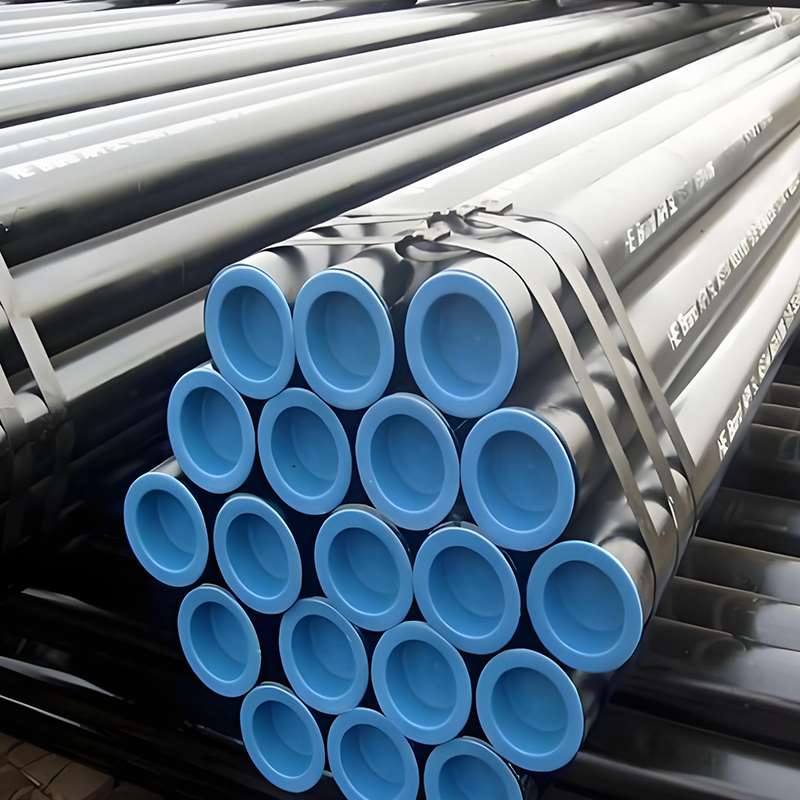
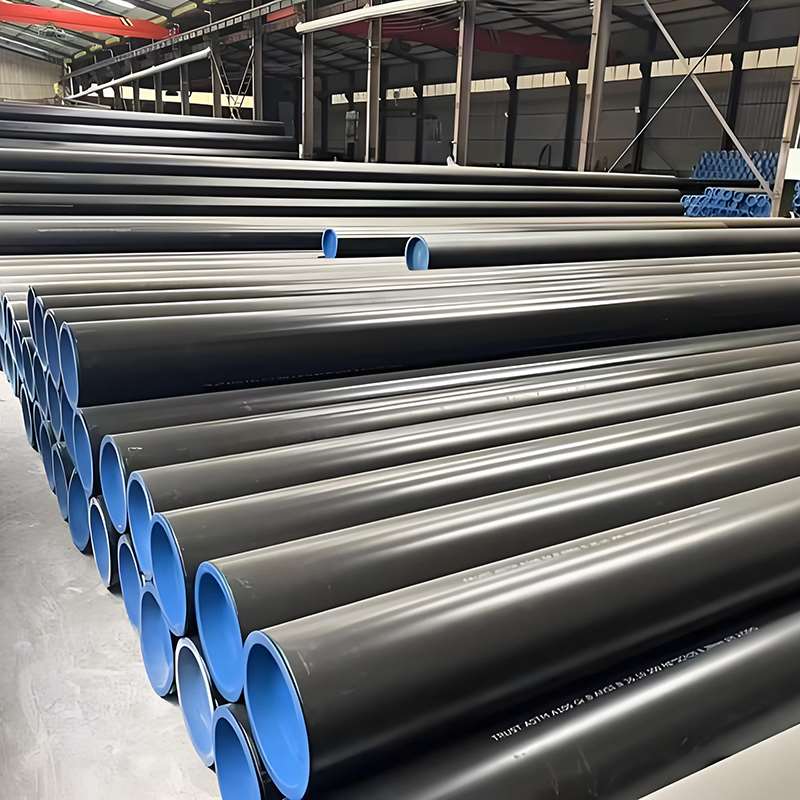
API 5L X52 is a high-strength seamless carbon steel pipe specified in American Petroleum Institute (API) standards, primarily used for transporting petroleum, natural gas, water, and other fluids.
Grade: X52 denotes a yield strength of 52 ksi (approximately 360 MPa).
Characteristics: High strength, good corrosion resistance, suitable for medium-to-high pressure transmission.
Applications: Long-distance pipelines, urban gas distribution, oilfield transmission pipelines.
II. Chemical Composition and Mechanical Properties
When procuring, verify the chemical composition and mechanical properties provided by the supplier to ensure compliance with API 5L PSL1/PSL2 standards.
| Element | Typical Content | Function / Effect |
|---|---|---|
| C (Carbon) | 0.20–0.28% | Increases strength, but excessive content reduces weldability |
| Mn (Manganese) | 1.00–1.60% | Improves toughness and hardness |
| P (Phosphorus) | ≤0.030% | Controls brittleness, improves low-temperature performance |
| S (Sulfur) | ≤0.030% | Low content prevents hot brittleness and corrosion |
| Si (Silicon) | 0.15–0.35% | Enhances strength and elasticity |
| Cr, Ni, Mo | Trace | Improves corrosion resistance and toughness |
Mechanical Properties:
Yield Strength: ≥ 360 MPa
Tensile Strength: 485–620 MPa
Elongation: ≥ 22%
III. Pipe Size and Specification Selection
When selecting API 5L X52 seamless carbon steel pipes, matching dimensions to pipeline design pressure, flow rate, and installation requirements is critical.
Key parameters include:
Outer Diameter (OD): Commonly 60–1219 mm, selectable based on flow capacity and pipe diameter standards.
Wall Thickness (WT): 3–50 mm, affecting pressure resistance.
Length: Commonly 6–12 m, with custom long lengths available.
Selection Guidelines:
High-pressure pipelines → Select pipes with greater wall thickness
Long-distance transportation → Prioritize pipes with consistent strength grades and uniform dimensions
Urban gas/low-pressure pipelines → Consider thin-walled pipes to reduce costs
IV. Impact of Manufacturing Processes on Selection
The primary manufacturing processes for API 5L X52 seamless carbon steel pipes are:
Hot-rolled seamless pipes: Suitable for large-diameter, thick-walled pipes with excellent strength and ductility.
Cold-drawn/cold-rolled pipes: High precision and smooth surface finish, but slightly higher cost.
Selection Recommendations:
For high-pressure oil and gas pipelines → Hot-rolled pipes are recommended.
For machining and precision installation → Cold-drawn pipes are more suitable.
V. Corrosion Protection and Coating Selection
Long-distance pipelines and underground pipelines require corrosion protection to extend service life:
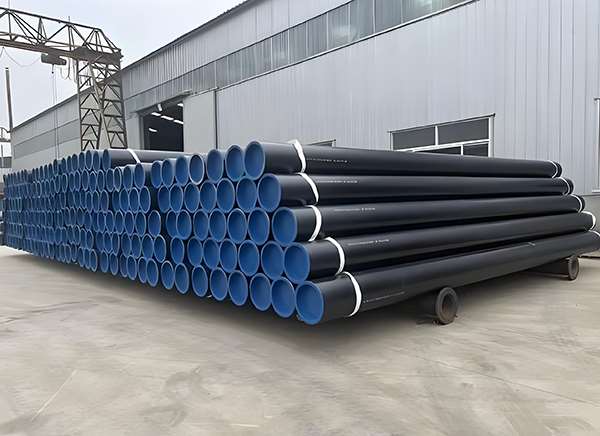
Epoxy coating (FBE): Wear-resistant, chemically resistant
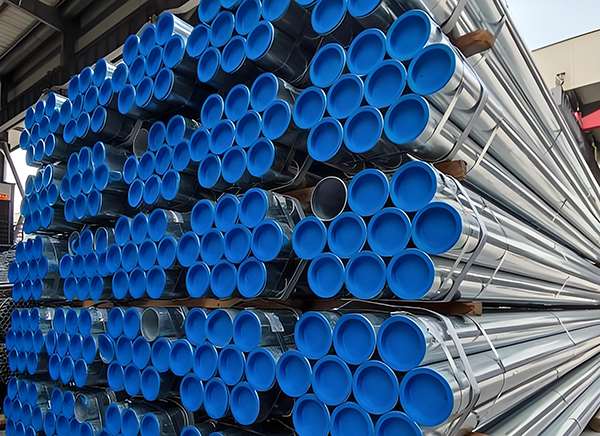
Galvanized/plastic-coated: Suitable for water conveyance and low-corrosion environments
Combined with cathodic protection: Suitable for subsea or highly corrosive environments
Select appropriate corrosion protection processes based on environmental conditions during procurement.
VI. Suppliers and Quality Control
Quality control is critical when procuring API 5L X52 seamless carbon steel pipes:
Raw Material Certification: Chemical composition reports for steel billets
Mechanical Testing: Tensile, impact, and bending tests
Dimensional Inspection: Wall thickness, outer diameter, and length accuracy
Anti-corrosion Treatment Verification: Coating thickness and adhesion tests
Batch Consistency: Ensuring uniform performance across the entire pipe run
Selecting reputable manufacturers and certified products minimizes procurement risks.
VII. Selection Summary
When procuring API 5L X52 seamless carbon steel pipes, the following factors must be comprehensively considered:
Pipeline operating pressure and medium
Dimensions and wall thickness
Manufacturing process and mechanical properties
Anti-corrosion requirements and operating environment
Supplier qualifications and quality control
Adherence to these principles ensures pipeline safety and reliability while reducing long-term maintenance costs.